As a graphic, web, and digital designer specializing in branding and marketing, I’ve had the pleasure of working with various small businesses to craft unique identities that resonate with their target audience. But one of the most exciting and creatively fulfilling challenges I’ve encountered is designing school mascots. A school mascot is not just a logo or a character—it is a vibrant symbol of pride, school spirit, and community. It serves as a visual anchor for the school’s identity, helping to unify students, faculty, staff, and alumni under a common banner.
In this post, I will take you through the entire process of designing a school mascot, from understanding the school’s identity to finalizing the design. By the end, you’ll have a comprehensive understanding of how to approach mascot design with intention, creativity, and a deep respect for the school’s culture. Curious about what goes into rebranding a private school mascot? Learn more about the process here:
Table of Contents
- Understanding the School’s Identity
- Conceptualization and Sketching
- Color Palette and Typography
- Mascot Personality and Character
- Versatility and Usability
- The Role of Community Engagement
- Finalization and Feedback
- Common Challenges and How to Overcome Them
- Wrapping Up: The Legacy of a Mascot
Understanding the School’s Identity
Before diving into the actual design work, the most crucial step in the mascot design process is understanding the school’s identity and the objective behind the creation of the mascot. A mascot is not just an arbitrary character—it must reflect the school’s values, culture, mission, and history. In fact, the school mascot can be used as a vehicle to answer very real communication and marketing challenges, energize school spirit, address cultural shifts within the student body, and create unity among elementary, middle school, and high school students.
Step 1: Engage with Stakeholders
The first thing you’ll want to do is engage with key stakeholders. This typically involves talking to school leadership, including administrators and teachers, as well as students, parents, and alumni. Through interviews, surveys, or focus groups, ask questions such as:
- What is the history of the school?
- What values does the school prioritize (e.g., hard work, innovation, diversity, faith)?
- How does the school want to be perceived by the community?
- What symbols or mascots are already tied to the school’s traditions or history?
This phase of gathering insights is crucial because it provides you with a nuanced understanding of the school’s ethos, which will directly influence your design.
Step 2: Define the School’s Core Values
Once you’ve collected input, you’ll need to distill the school’s core values and identity into a few guiding principles. Is the school focused on academic excellence? Is it a sports-driven institution with a legacy of athletic success? Does it have a particular mascot or symbol that has existed in some form for years but needs a fresh design?
The mascot must capture these qualities—whether it’s strength, perseverance, creativity, faith, or community spirit. For example, if the school prides itself on its academic rigor, a more traditional, noble mascot like an owl or a wise lion might be fitting. If the school is known for its athletic prowess, perhaps a fierce animal like a tiger or eagle could symbolize speed and power.
It is easy to assume that the school’s core values are set and defined. However, sometimes revisiting these is necessary. Creating a school mascot is a major communication tool and it merits a review of the school brand as a whole.
Step 3: Look at School Traditions
Another important factor to consider is the school’s traditions and community activities. Some schools may have long-standing events, rivalries, or rituals that could influence the mascot’s design. For instance, if the school holds an annual football game against a rival school, a mascot that embodies competition or victory could be a powerful symbol. Your school mascot needs to be personal, clearly defined and chosen with a defined purpose. Don’t assume that you only need to be concerned about your student body. Alumni, sponsors, donors, and parents, care about your school and its legacy too.
Conceptualization and Sketching
Once you have a solid grasp on the school’s identity, values, and traditions, it’s time to begin brainstorming and sketching concepts for the mascot.
Step 1: Brainstorming Ideas
The conceptualization stage is where creativity comes into play. Start by brainstorming a list of animals, mythical creatures, historical figures, or even abstract concepts that could embody the school’s character. For example:
- Animals: Lions, tigers, eagles, wolves, hawks, falcons, bears, etc.
- Mythical Creatures: Dragons, griffins, phoenixes, or other creatures that embody strength, resilience, or wisdom.
- Historical Figures: Icons like warriors, leaders, or inventors who represent traits such as bravery, intelligence, or perseverance (e.g., Alexander the Great, Joan of Arc, or Thomas Edison).
- Abstract Symbols: Symbols like shields, stars, or trees can carry deep meanings associated with heritage, growth, or protection.
Step 2: Sketch Multiple Concepts
Don’t settle on your first idea—sketch several variations. In this phase, you want to explore different visual directions to see what resonates best. Try sketching mascots in different poses, angles, and styles. You may explore how the mascot could look on merchandise like t-shirts or hats, or how it might appear in a large mural or on the school’s website.
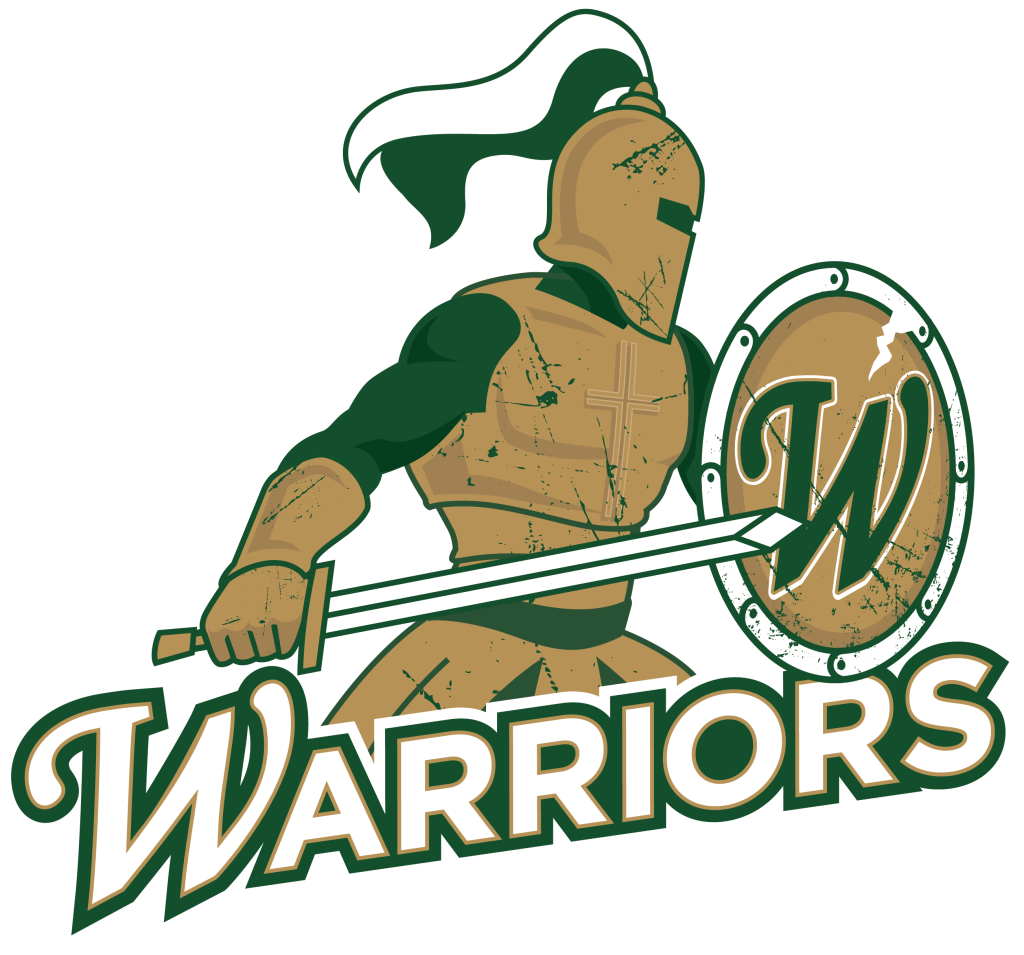

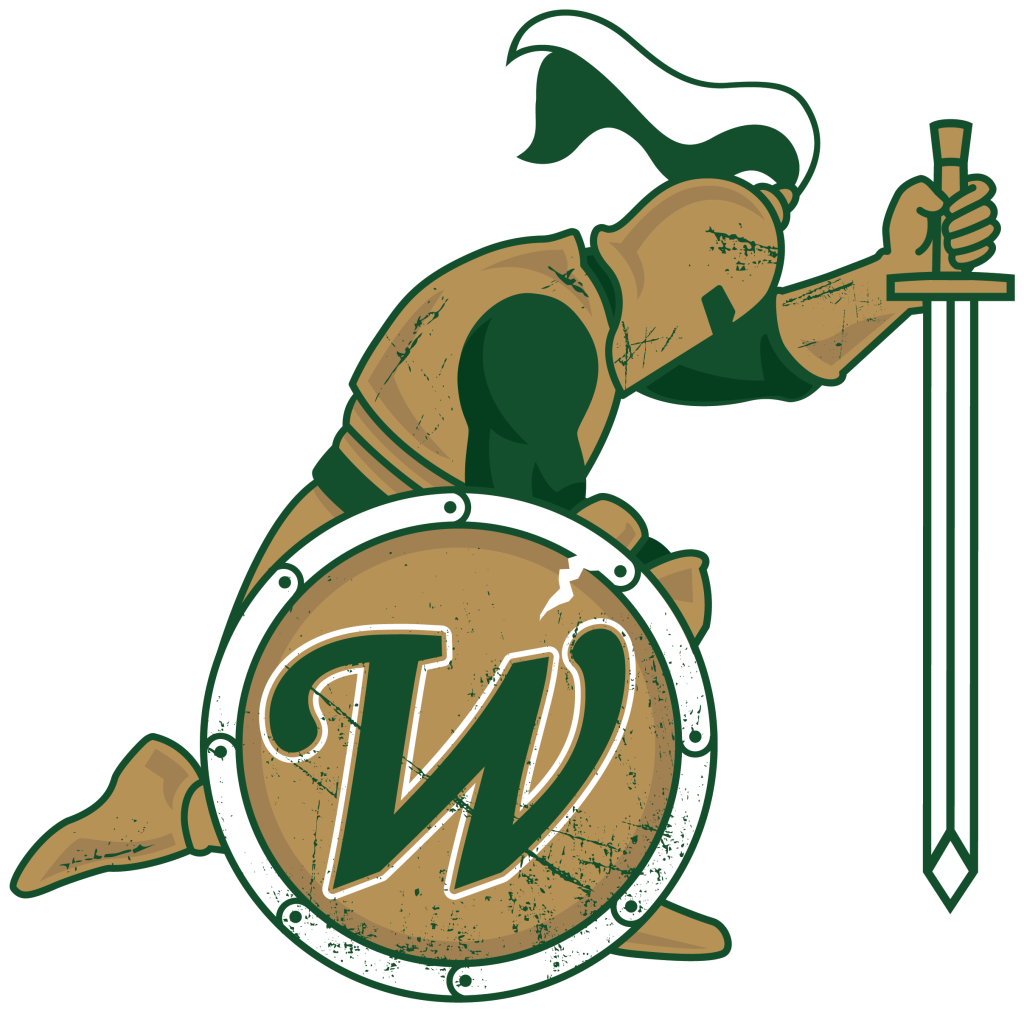
Consider factors such as:
- Proportions: Is the mascot larger than life or more neutral in scale? Think about how the mascot will be scaled for different applications (like digital vs. physical).
- Details: How much detail do you want to include? Highly detailed mascots can look great in print but may be too complex for smaller sizes or digital formats.
- Expression: A mascot’s face and expression can be incredibly important for conveying the right emotion. Should the mascot look fierce, friendly, wise, or athletic?
As you brainstorm ideas, be creative, but stay pragmatic. Make sure the chosen character is easy to reproduce, digitally and in print. Also, remember that your mascot will eventually make it out of your sheet of paper and computer. Your character may literally come to life! Someone may be wearing your creation in the form of a costume. Your mascot will run around, participate in games and other school activities.
Step 3: Choose the Right Style
You’ll also need to decide on the overall style of the mascot. Do you want something playful and cartoonish, or would a more realistic or abstract design be better? The style should align with the school’s ethos and be appropriate for its intended use. For example:
- Cartoon Style: Ideal for elementary schools or schools with a focus on fun and community.
- Realistic Style: Works well for high schools with an emphasis on athleticism and tradition.
- Abstract/Geometric Style: Might be appropriate for schools that emphasize innovation or arts.
Color Palette and Typography
Color and typography are essential aspects of mascot design because the mascot won’t live in a vacuum. Marketing materials will be created and include your new school mascot, as such both should reinforce the mascot’s personality and align with the overall school brand.
Step 1: Choose the Right Colors
Color is one of the most powerful tools in design because it evokes emotion and sets the tone for the mascot. When selecting colors, you’ll want to choose those that:
- Align with the school’s existing color palette.
- Evoke school spirit and pride.
- Work well across a variety of mediums (e.g., digital, print, merchandise, and signage).
For example:
- Red can evoke excitement, energy, and passion.
- Blue might represent trust, loyalty, and calm.
- Gold or yellow often symbolizes success, achievement, and optimism.
- Green can suggest growth, stability, and renewal.
Ensure that the mascot’s color palette is balanced and has enough contrast for clear visibility, especially in smaller applications like mobile websites or social media.
Step 2: Typography Choices
Typography can further define the mascot’s personality. Whether it’s bold and athletic or more scholarly and traditional, the font you select should harmonize with the mascot’s aesthetic and convey the intended message. For instance:
- Bold, heavy fonts might be ideal for a mascot representing strength or power.
- Script fonts may work better for schools that want a more elegant or classic feel.
- Modern sans-serif fonts can be a great choice for schools with a focus on innovation or technology.
Make sure the typography is legible and scalable. It should also complement the mascot design without overpowering it.
Mascot Personality and Character
A great mascot is more than just a symbol—it has personality. Whether it’s a fierce lion or a wise owl, the personality traits of the mascot should resonate with the school’s student body.
Step 1: Establish the Mascot’s Traits
Before finalizing the design, consider what personality traits the mascot will embody. Some traits you might want to reflect are:
- Strength: A powerful animal like a bear or tiger can convey physical might.
- Wisdom: A wise creature like an owl or an ancient tree could represent learning.
- Speed: A fast animal like a cheetah or eagle might symbolize athletic excellence.
- Resilience: A phoenix, or another symbol of rebirth, could symbolize the school’s commitment to overcoming challenges.
Step 2: Make It Relatable
A mascot needs to feel relatable to the students and the community. It should be something that school spirit can be built around. Whether the mascot represents a fierce sports team or the collective pride of the entire school, it should be something that students and alumni feel personally connected to. More on this later.
Versatility and Usability
A successful mascot design needs to be versatile. It should work in a variety of formats, from social media icons to banners, merchandise, and event posters. Here are some factors to keep in mind:
Step 1: Scalability
The mascot should look great at every size, from the tiny thumbnail on a social media profile to large-scale banners or posters. A design with too many intricate details might lose its impact when scaled down.
Step 2: Adaptability
Your mascot will need to appear in various contexts—on sports uniforms, in online ads, on school signage, and even in large inflatable forms at school events. Ensure that the design is adaptable to different formats without losing its core identity.

The Role of Community Engagement
A mascot is meant to represent the school’s community, so it’s important that the process involves the community as much as possible. This not only ensures that the mascot resonates but also fosters a sense of ownership and pride among students, staff, and alumni. You might consider:
- Soliciting feedback from the student body during the development process.
- Soliciting feedback from alumni, parents and other stakeholders.
- Celebrating the reveal of the new mascot with a big event or online launch.
Finalization and Feedback
Once the initial designs are ready, it’s time to gather feedback from the key stakeholders again. This collaborative process ensures that the final mascot truly reflects the values and identity of the school.
Consider creating mock-ups of how the mascot will look in different applications (e.g., sports uniforms, digital banners, promotional materials) and gather feedback before finalizing the design.
Common Challenges and How to Overcome Them
While designing a school mascot can be a rewarding experience, there are a few challenges you might face:
- Balancing creativity and practicality: You’ll need to find the right balance between creating a unique, creative mascot and ensuring it’s functional and scalable.
- Staying true to the school’s identity: It can be challenging to create a mascot that captures the essence of the school while also appealing to a wide range of people.
- Gathering consensus: With multiple stakeholders involved, getting everyone to agree on a design can be a challenge. Be prepared to navigate feedback and make compromises where necessary.
Wrapping Up: The Legacy of a Mascot
A well-designed mascot can have a profound impact on the school’s culture and brand. It can serve as a rallying point for students and staff, uniting them under a common symbol, so it’s not just creating a cute or cool character—it’s a representation of the school’s values, history, and spirit.
By taking the time to deeply understand the school’s identity, creatively conceptualizing ideas, and refining the design through feedback and iteration, you’ll be able to craft a mascot that captures the heart and soul of a community to give it a lasting visual identity that transcends time. Lastly, remember to document and protect all your work by creating solid School Brand Guidelines.
About Daisho
Daisho Creative Strategies is headquartered in Miami, Florida, and focuses its work on branding, website design, and website management. We have partnered with various private schools, as well as other organizations and small businesses for over 25 years. Contact us if you would like to learn more about private school mascot design.